
Outdoor recreation is booming, and with it comes a surge in foot traffic, mountain bikes, and e-bikes pressing deeper into natural landscapes. At the same time, our trails are facing unprecedented pressures – from climate change and habitat loss to shifting community expectations around accessibility and equity. In this new reality, trails are no longer just simple paths through the woods. They are vital infrastructure that supports public health, connects communities, and safeguards ecosystems.
This means that modern trail management cannot stop at maintenance. It must embrace data-driven planning, foster community stewardship, protect biodiversity, and ensure inclusive access for all. In other words, it’s not just about keeping trails open, it’s about keeping them sustainable, resilient, and meaningful for generations to come.
From Maintenance to Management: How Trails Have Evolved
Until relatively recently, trail management across Ireland and the UK was focused on the basics. Local councils, national park teams, and volunteer walking groups took on the essential jobs of clearing overgrowth, repairing stiles and gates, and keeping signage legible. If a path was safe and passable, the work was considered complete.
But over the last few decades, that approach has proven too narrow. Trails here are now at the centre of growing outdoor recreation economies – from the Wicklow Way to the West Highland Way, and from the Pembrokeshire Coast Path to community greenways weaving through towns and cities. What were once quiet walking routes are now multi-use spaces welcoming hikers, cyclists, runners, and families looking for accessible nature experiences.
This evolution brings a wider set of responsibilities. Modern trail managers must now consider:
Recreation demand – balancing heavy footfall and cycling traffic with the need to keep paths safe and enjoyable.
Environmental pressures – limiting erosion on upland trails, protecting bogs and sensitive habitats, and ensuring wildlife is not displaced.
Cultural value – recognising that many of our trails also trace historic pilgrim routes, ancient rights of way, and heritage landscapes.
Future resilience – anticipating the impacts of climate change, from flooding to coastal erosion, while planning for sustainable access.
The role has shifted from maintenance to management. Maintenance remains vital, but it is now only one strand of a broader, multidisciplinary task that blends ecology, planning, community engagement, and foresight. In Ireland and the UK, where trails are tightly bound to cultural identity and local economies, this shift is especially significant.
The Pressure of Popularity: Rising Trail Use and Ecological Impact
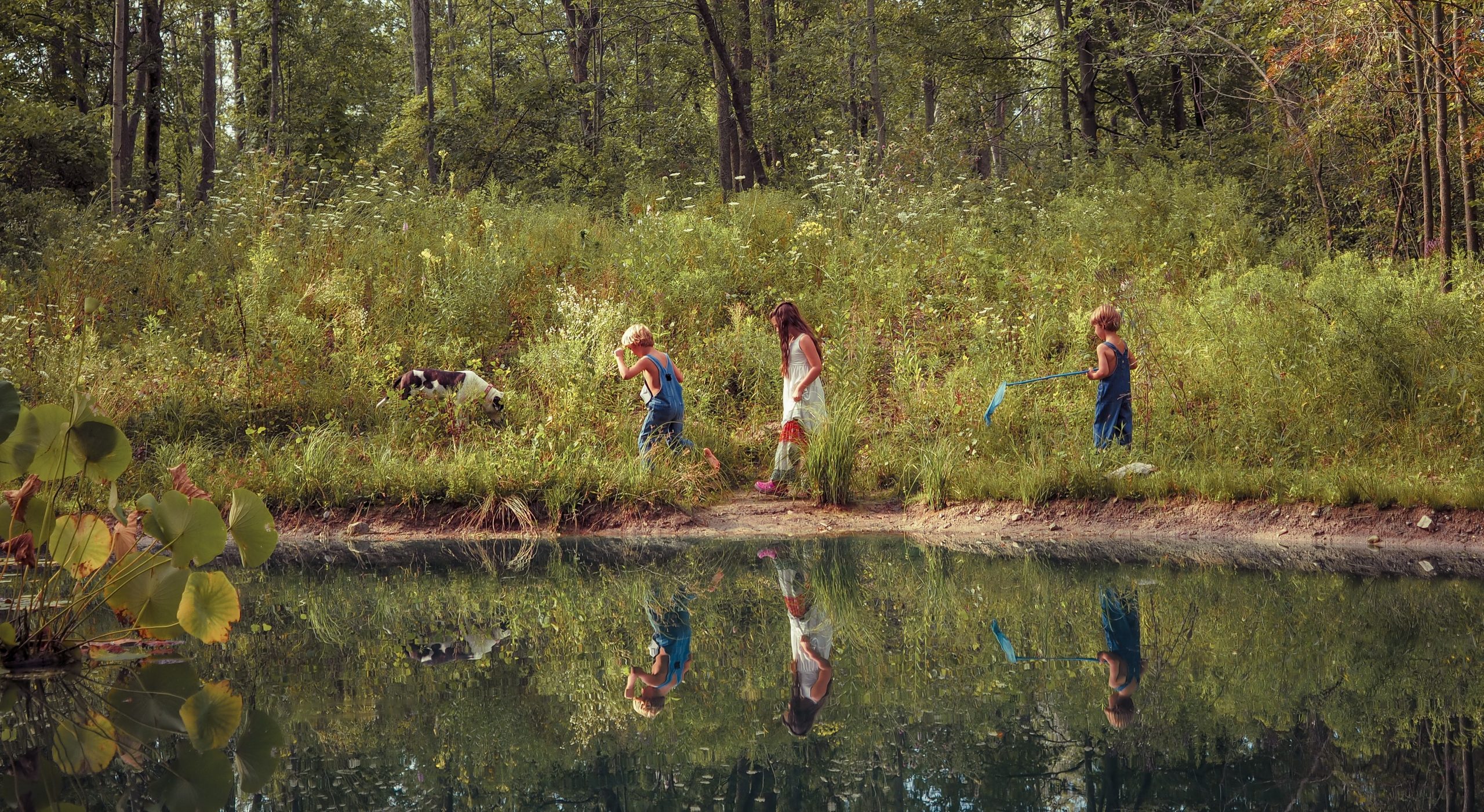
In Ireland, as in much of the UK, outdoor recreation has seen an extraordinary surge in recent years. More people are walking, cycling, running, and exploring local trails than ever before. Initiatives such as Greenways, Blueways, and long-distance routes like the Wild Atlantic Way walking and cycling trails have made access to the outdoors easier and more appealing. Add to this the rise of e-bikes and the post-pandemic appetite for local adventures, and the result is a dramatic increase in trail traffic.
While this growth is positive, boosting physical wellbeing, local economies, and rural tourism—it also places real pressure on the landscapes these trails traverse. The impacts are both visible and hidden:
Erosion and soil loss: Upland trails, particularly in areas like the Wicklow Mountains or Connemara, are highly vulnerable to erosion from constant footfall. When combined with heavy rainfall, paths can quickly degrade, widening and deepening until they scar the hillside.
Habitat disturbance: Sensitive environments, from coastal dunes to raised bogs, can be damaged by repeated trampling. In some cases, wildlife such as ground-nesting birds are displaced by increased human presence.
Trail creep: As walkers avoid muddy or waterlogged sections, they often create parallel tracks, unintentionally expanding the impact zone and fragmenting vegetation.
Invasive species: Increased traffic (particularly cycling) can spread seeds along trails, accelerating the spread of invasive plants like rhododendron or Japanese knotweed.
Conflict between users: With more mixed-use trails, walkers, cyclists, and e-bike riders sometimes compete for space, creating new safety and management challenges.
For Irish trail managers, these pressures are compounded by the fragility of upland and peatland ecosystems – areas that are slow to recover once damaged. Unlike hard granite mountain paths found in parts of the UK, many Irish routes pass through soils that are easily eroded and difficult to restore.
This reality forces a rethink: trails can no longer be seen as neutral lines on the landscape. Each carries a footprint (on biodiversity, soil health, and community use) that must be actively managed. As popularity rises, the challenge is to ensure that today’s enjoyment does not compromise tomorrow’s landscapes.
Data, Drones, and Digital Tools: Technology’s Role in Trail Planning
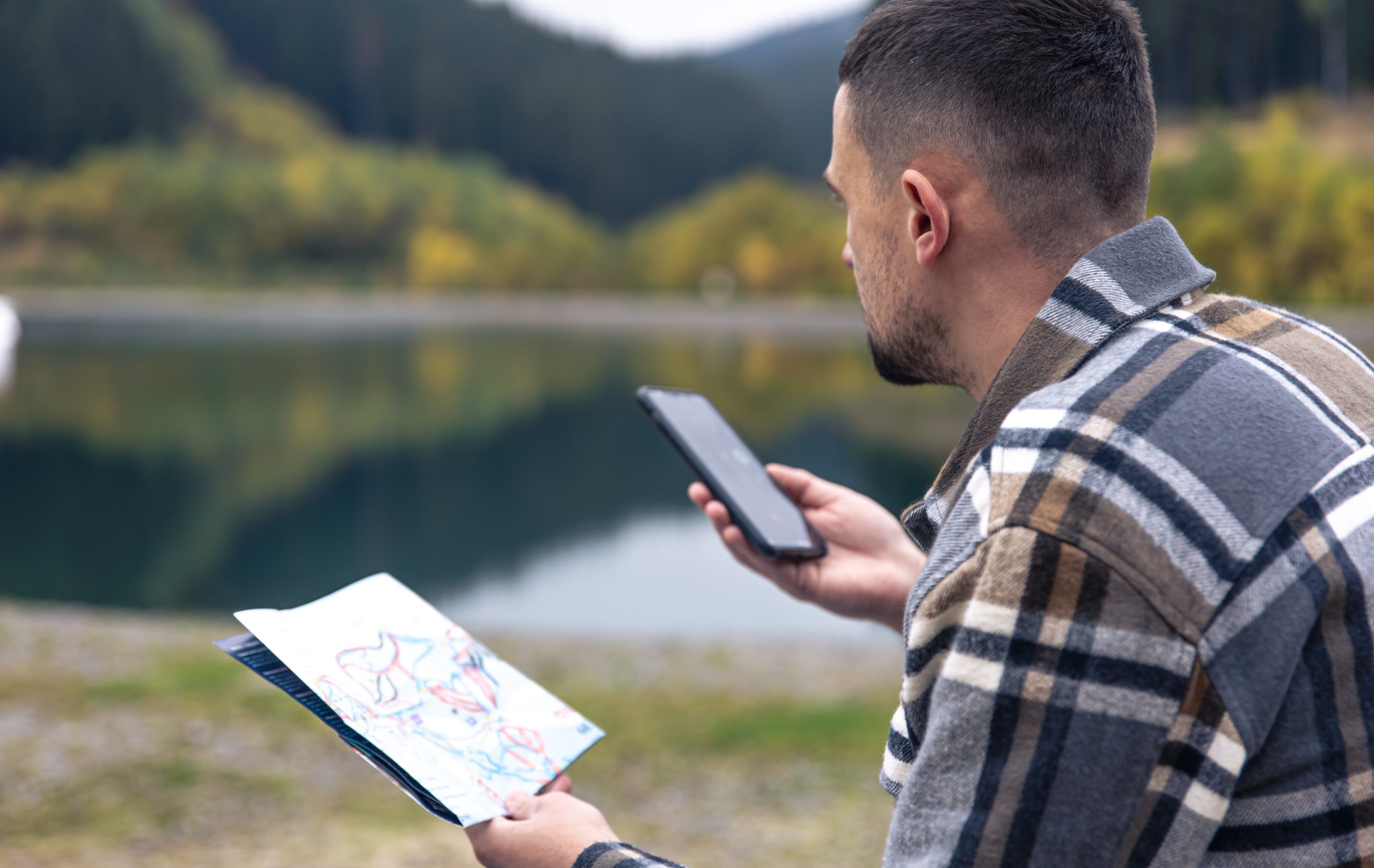
Not long ago, trail management across Ireland was guided largely by observation and experience. Rangers, landowners, and volunteers would walk the routes, noting problem areas and responding to issues as they arose. While local knowledge remains invaluable, the complexity of modern trail use means managers increasingly need hard data and advanced tools to guide decisions.
GPS and GIS Mapping
Today, almost every new trail or greenway project in Ireland relies on GIS (Geographic Information Systems). These tools allow planners to:
Map existing paths with precision.
Overlay ecological, cultural, or archaeological data to identify sensitive areas.
Model how changes (such as rerouting or resurfacing) might affect surrounding habitats.
For example, in projects like the Royal Canal Greenway or the Waterford Greenway, GIS has been critical for balancing recreation with biodiversity corridors and heritage protection.
Trail Counters and Sensors
Automated counters installed discreetly along trails can record foot, bike, and even e-bike traffic. This data helps managers:
Understand usage patterns across days and seasons.
Identify “hot spots” where wear is accelerating.
Support funding applications with evidence of community benefit and tourism value.
Without this kind of data, it’s easy to underestimate just how many people are using Ireland’s growing network of trails.
Remote Monitoring: Drones and Satellite Imagery
In upland areas such as the Wicklow Mountains or Mourne Mountains, drones are increasingly used to monitor erosion, assess storm damage, and track vegetation recovery. Combined with satellite imagery, they give managers a bird’s-eye view of landscape changes that would otherwise require costly, time-consuming fieldwork.
Predictive and Preventive Planning
Perhaps the most exciting shift is from reactive to proactive management. By combining counters, GIS data, and ecological surveys, managers can predict where problems (like erosion, flooding, or user conflict) are most likely to arise. This allows for early interventions, such as rerouting a section, adding boardwalks, or installing better drainage.
People Power: Community Engagement and Education
Across Ireland, trails are far more than recreational amenities – they are community assets, rooted in local landscapes and stories. Their success often depends not only on the work of public agencies or landowners, but also on the commitment of local people who build, maintain, and promote them. In fact, community involvement is one of the strongest foundations of sustainable trail management.
Volunteerism and Stewardship
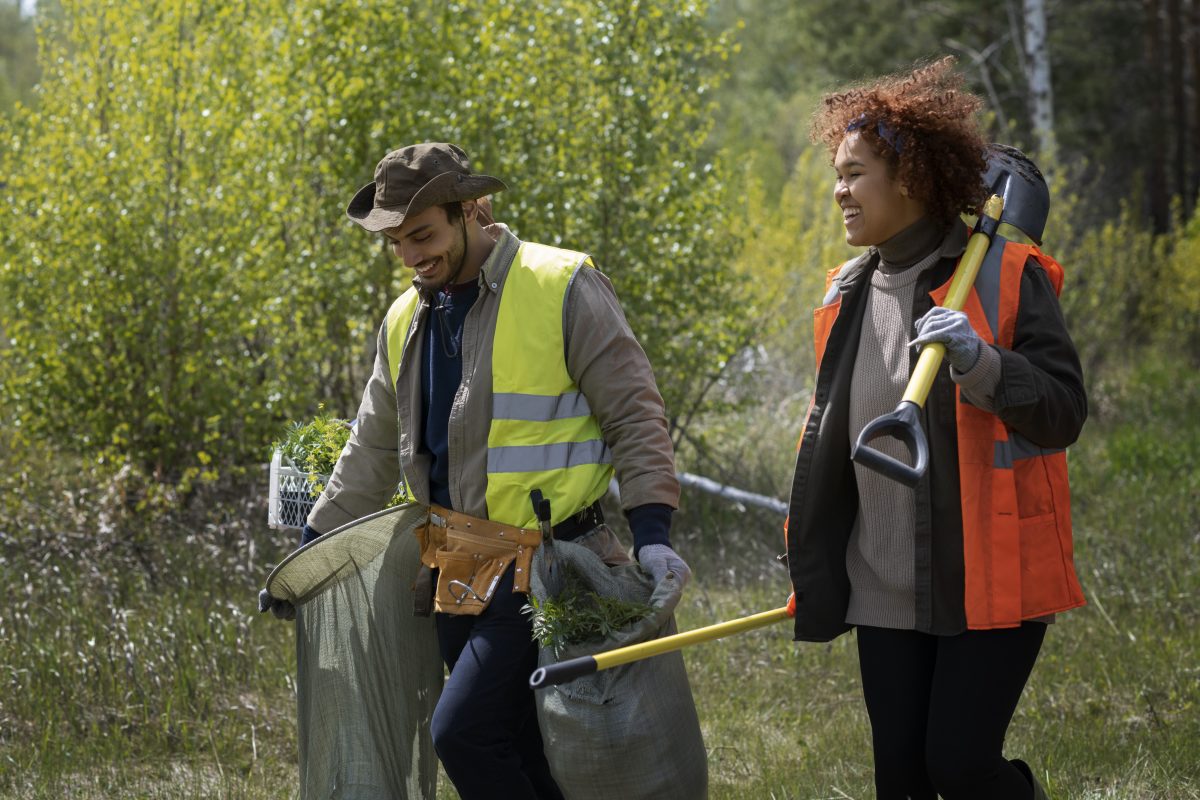
Ireland has a long tradition of volunteer trail work, whether through local walking clubs, Tidy Towns groups, or community development organisations. Volunteers clear litter, repair stiles, cut back overgrowth, and even monitor biodiversity along popular paths. This stewardship helps stretch limited budgets and builds a sense of local ownership that professional crews alone cannot achieve.
Education on the Ground
Trail signage is no longer limited to wayfinding. Increasingly, it is being used to educate visitors about local ecology, heritage, and responsible behaviour. Examples include:
Explaining why boardwalks are in place to protect sensitive boglands.
Sharing stories of local heritage, from famine roads to monastic sites.
Encouraging Leave No Trace practices to reduce littering and habitat disturbance.
This form of passive education works quietly but powerfully, reminding users that trails are shared spaces that require care.
Digital Engagement
Technology also supports education and stewardship beyond the trailhead. Apps and websites now provide:
Live trail updates on closures, conditions, or accessibility.
Interactive maps highlighting biodiversity, viewpoints, or heritage features.
Social media campaigns that connect trail users with conservation efforts and volunteer opportunities.
Projects like the Sport Ireland trail finder and regional greenway apps show how digital platforms can extend engagement well beyond the walk itself.
Building Advocates, Not Just Users
Perhaps the most important aspect of engagement is transformation: turning trail users into trail advocates. When people understand not only how to enjoy trails, but also why they matter, they become part of the solution. Communities that feel connected to their trails are more likely to defend them, fundraise for them, and promote responsible use among visitors.
Designing for Equity and Access
In Ireland, conversations around trail development increasingly extend beyond recreation and tourism. Trails are now recognised as part of public infrastructure, with the potential to support health, wellbeing, and sustainable travel. This means modern trail management must address not only where trails go, but also who can access them, and how.
Accessibility for All Abilities
For decades, many Irish trails were designed with the able-bodied hiker in mind. Steep gradients, rough surfaces, and narrow gates often excluded those with mobility challenges, families with buggies, or older walkers. Today, however, accessibility is a growing priority.
Greenways such as the Waterford and Royal Canal routes offer flat, wide surfaces suitable for wheelchairs, e-bikes, and family use.
Trailheads increasingly include accessible parking, toilets, and rest areas.
Universal design principles are slowly being woven into new projects, ensuring inclusivity from the outset rather than as an afterthought.
Connecting Urban and Rural Communities
Access is not only about physical ability, but also about geography and transport. While iconic trails like the Wicklow Way or Kerry Way draw international attention, many urban dwellers (especially in disadvantaged areas) still lack safe, nearby routes into nature.
Greenways in towns like Waterford, Westport, and Limerick are beginning to close this gap, creating car-free connections between communities, schools, and workplaces.
Integrating trails with public transport (bus, train, Luas) can help reduce car dependency while broadening access.
Smaller community-led trails, often developed with LEADER or local authority support, bring the outdoors closer to home.
Inclusion in Planning
Equity also means ensuring diverse voices are part of decision-making. This includes:
Engaging with local residents and landowners early in the planning process.
Consulting underrepresented groups (youth, older adults, people with disabilities) on how trails can best serve their needs.
Recognising that trails are more than recreation – they are places of heritage, identity, and belonging.
Health and Social Benefits
Equitable access to trails is not only a fairness issue – it’s a public health opportunity. Studies in both Ireland and the UK show that access to green spaces is linked to reduced stress, better physical health, and stronger community ties. For those without private gardens or easy access to the countryside, local trails can be a lifeline.
Resilient Trail Systems: Preparing for the Future
If there is one certainty for the future of trails in Ireland, it is change. Shifting weather patterns, heavier use, and evolving recreation habits all create pressures that traditional trail maintenance alone cannot solve. Modern trail management must therefore be about resilience, designing systems that can withstand shocks, adapt to new realities, and remain valuable for decades to come.
Climate Change Pressures
Ireland’s landscapes are especially vulnerable to the impacts of climate change:
Flooding and water logging: Heavier rainfall overwhelms drainage, turning popular routes into mud channels or forcing walkers to trample parallel tracks.
Coastal erosion: Trails along the Wild Atlantic Way and east coast cliff paths are increasingly threatened by storm surges and rising seas.
Peatland fragility: Upland bog routes (such as those in Wicklow, Mayo, and Donegal) face accelerated erosion when drying or flooding weakens soil structures.
Storm damage: Fallen trees, landslides, and blocked access points can render entire trail sections impassable.
Building Adaptive Trails
Resilient trail systems are those designed to flex and adapt:
Using boardwalks, raised paths, or stone pitching in areas prone to waterlogging or erosion.
Designing modular infrastructure (bridges, signage, fencing) that can be repaired or replaced quickly after storm damage.
Rerouting vulnerable sections away from eroding coastlines or unstable slopes before crisis hits.
Planning alternative loops or connectors to reduce pressure on single routes.
Integrating Biodiversity Conservation
Resilience is not just about infrastructure, it is also about ecology. Trails that respect and protect biodiversity are more likely to endure. This includes:
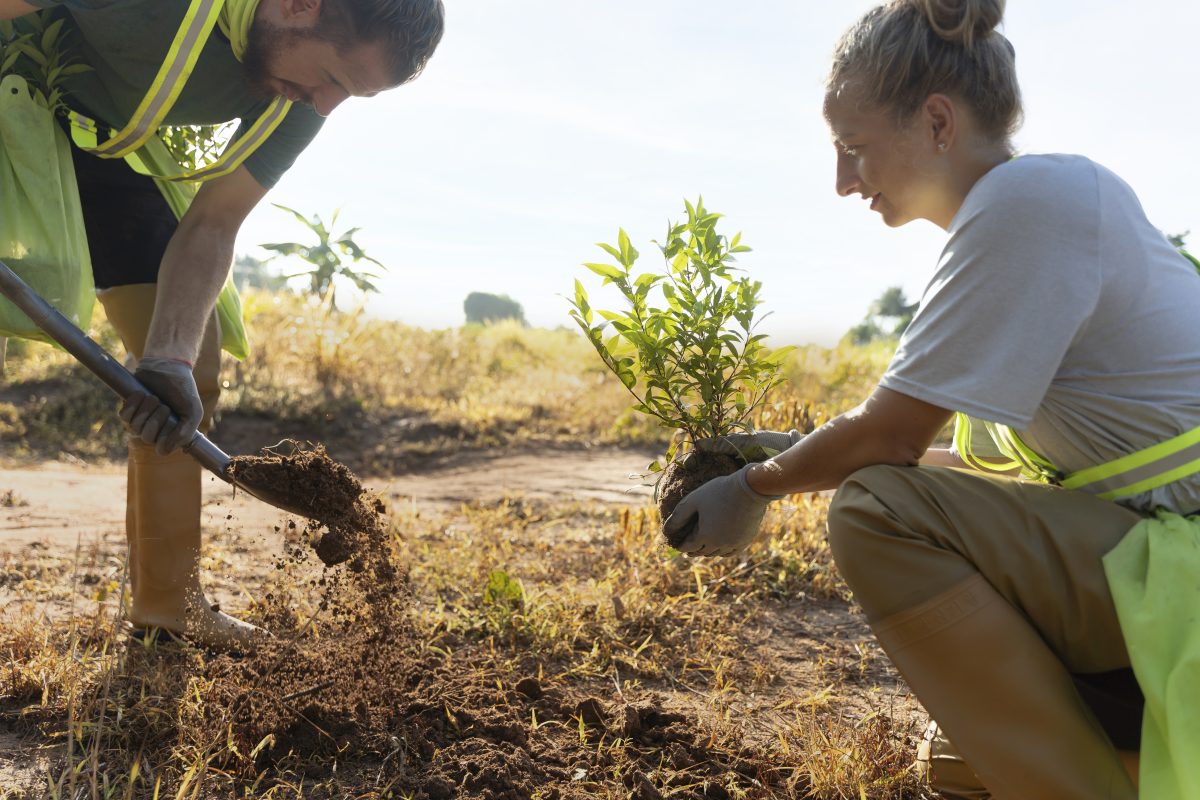
Planting native species along disturbed sections to stabilise soil.
Designing buffers between trails and sensitive habitats (e.g., nesting grounds).
Restoring degraded areas alongside trail improvements, rather than treating them as separate issues.
Funding and Long-Term Planning
One of the greatest challenges in Ireland is that funding for trails often comes in short-term grants. Yet resilience requires a long horizon: planning for 20, 30, or even 50 years ahead. This means:
Securing sustainable funding streams, not just one-off capital investments.
Embedding trails into county development plans and national recreation strategies, so they are treated as public infrastructure.
Training and supporting local trail partnerships to take on long-term stewardship.
Beyond Maintenance, Toward Stewardship
Ireland’s trails have always been more than paths through the countryside. They carry us into our heritage, connect us to our landscapes, and increasingly serve as vital spaces for health, recreation, and sustainable tourism. But as demand grows and environmental pressures mount, the old model of simply “fixing what’s broken” is no longer enough.
Modern trail management calls for something broader:
Maintenance to keep trails safe and usable.
Planning and foresight to prepare for climate change and heavy use.
Community engagement to foster stewardship and shared responsibility.
Equity and access so trails serve everyone, not just the few.
Resilience and conservation to protect biodiversity and cultural heritage for the long term.
This is not just a technical challenge, it is a cultural shift. Trails must be seen as essential infrastructure, worthy of the same investment and long-term vision as roads, parks, and public transport. They are connectors of people, place, and nature, and their stewardship demands collaboration between landowners, local authorities, community groups, and national policymakers.
For Ireland, this shift is especially important. Our uplands, boglands, and coastlines are fragile. Our history is written into the very paths we walk. And our communities (urban and rural alike) stand to benefit enormously from inclusive, resilient, and sustainable trail systems.
The future of our trails will not be decided by maintenance alone. It will be shaped by how boldly we embrace stewardship, innovation, and collaboration. The question is no longer whether trails matter, it is whether we are ready to manage them with the care and foresight they deserve.