The rise of Mountain Biking and the importance of trail care
Over the past decade, mountain biking has shifted from niche pursuit to mainstream outdoor sport. What was once a fringe activity among hardcore enthusiasts is now a driver of tourism, rural development, and community engagement around the world. Today, the global mountain bike market is already worth billions of dollars: for instance, it is estimated at USD 7.01 billion in 2023, with projected compound annual growth of ~12 % through 2030.
Meanwhile, cycling tourism more broadly is booming. The global cycling tourism market was valued at USD 125.1 billion in 2023, and is forecast to more than double by 2032, growing at a projected CAGR of 8.6 %.
Within this wave of growth, mountain biking stands out as a high-value contributor. A study by the Trust for Public Land (in partnership with IMBA) found that mountain biking visitors spend, on average, USD 416 per trip, injecting money into lodging, restaurants, retail, and local services in trail regions. Trust for Public Land Across the 13 trail networks surveyed in that study, the trail systems supported 1,626 jobs and USD 54.1 million in labor income annually.
These numbers are impressive, but they come with real responsibility. As mountain biking grows, so too does the pressure on trails, ecosystems, and communities. More riders mean more wear, more erosion, more maintenance backlogs, and more demand for sustainable trail networks.
That’s the challenge: how do we scale mountain biking while maintaining quality, safety, and ecological integrity? The answer rests not only in better trail building standards and practices, but in smarter, data-driven tools that empower trail-builders and managers to do their work more efficiently, predictably, and sustainably.
In the sections that follow, we’ll dive into the risks of unchecked trail usage, the standards and frameworks that guide “good trail management,” and (importantly) how WayWyser’s platform supports the next generation of mountain biking growth done right..
The Hidden Cost of Popularity: Trail Wear, Erosion, and Overuse
Downhill, uphill, cornering – every mountain bike ride leaves a footprint on the land. As mountain biking continues surging in popularity, trails that were once lightly used are now bearing heavy loads. Without care, those trails degrade, ecosystems suffer, and the very experience riders seek begins to erode.
Wear & Tear: From Tread to Structure
- Soil compaction and surface damage: Repeated use compacts trail surfaces, reducing porosity and impeding vegetation regrowth. Over time, compacted treads are less able to absorb water, increasing run-off and accelerating erosion.
- Rilling and gullies: Water channels can form down the line of least resistance (often the trail itself) carving small grooves (rills) or deeper gullies if left unchecked. These channels concentrate flow, eroding soil and pushing sediment downhill.
- Trail widening and braiding: On lines that become difficult or eroded, riders may seek adjacent ground to bypass rough patches. Over time, this creates “braided” paths or an expanded impact zone, damaging vegetation and destabilizing edges.
- Feature degradation: Bridges, boardwalks, berms, rock steps, and other built features get battered over time. Roots loosen, rocks shift, and structural integrity can fail if routine maintenance lags.
A comprehensive review of literature on mountain trail erosion notes that the processes are complex and strongly influenced by trail design, soil type, slope, vegetation cover, and climate.
Overuse Effects & Ecological Sensitivity
- Vegetation stress and loss: Trail edges and adjacent vegetation suffer from trampling, root exposure, and soil disturbance. In fragile habitats, this can lead to “dead zones” where plant life struggles to recover.
- Increased sedimentation: Eroded soil often ends up in nearby streams, lakes, or wetlands, altering water quality, smothering aquatic habitats, and reducing oxygen levels for organisms downstream.
- Habitat fragmentation and disturbance: Trails cutting through sensitive zones (e.g., riparian areas, wetlands, habitat corridors) may introduce edge effects, disturb wildlife, and change microclimates.
- Loss of ecosystem resilience: Repeated disturbance without recovery time pushes ecosystems toward less resilient states – meaning less capacity to bounce back after extreme rainfall, drought, or invasive species pressure.
A recent study comparing hiking and mountain biking trails found that, while both cause degradation, hiking was associated with more consistent impacts across multiple metrics (soil texture, compaction, erosion, recovery) in the sites studied – though this does not absolve mountain biking, especially when volume is high and management is weak.
The Cost to Experience & Long-Term Viability
- Safety and usability decline: Deep ruts, rock exposure, slippery surfaces, washed-out crossings, or obstructed trails degrade the riding experience and pose risks to users.
- Increasing maintenance burden: As damage accumulates, catch-up maintenance becomes more costly and labor-intensive. Left unchecked, it may require full regrading, re-engineering, or trail closure.
- Reputational and economic implications: Destinations promising “quality trails” may lose credibility. If trails degrade badly, riders may go elsewhere – reducing tourism, sponsorship, and potential funding support.
For example, the Chequamegon Area Mountain Bike Association (CAMBA) in Wisconsin documented that in 2019, the trail system generated an estimated USD 7.8 million in total economic impact for the region, supporting jobs and local services – but that financial return depends on maintaining trail quality and user satisfaction.
Setting the Standard: What Good Trail Management looks like
As mountain biking expands, the demand for consistent, high-quality standards for trail design, construction, and maintenance becomes essential. Without a benchmark, trail networks risk becoming fragmented, poorly maintained, or ecologically damaging. Below are some of the key frameworks and standards out there – and how they help define what “good” trail management means.
Leading Frameworks & Guidelines
IMBA’s Mountain Bike Trail Development Guidelines
IMBA has long been a standard-setter in mountain biking trail practice. Their Mountain Bike Trail Development Guidelines offers comprehensive advice for land managers developing bike-optimized trails. The guide dives into planning, design, construction, and maintenance, adapting best practices to diverse landscapes.
Guidelines for a Quality Trail Experience (GQTE)
Developed jointly by IMBA and the Bureau of Land Management (BLM), the Guidelines for a Quality Trail Experience (GQTE) set out core attributes of what makes a trail “high quality” – balancing rider expectations, sustainability, and ecological constraints.
Key principles include:
- Matching trail design to the setting and user group
- Environmental and social sustainability
- Economic responsibility with long-term maintenance in mind
- Delivering the intended rider experience without compromising resource protection
IMBA’s Trail Solutions & Trail Construction Guidance
IMBA’s Trail Solutions is a foundational manual covering trail planning all the way through maintenance, emphasizing durable construction, techniques, and sustainable design. Their construction guidance further underscores the need to think ahead – select proper routing, control drainage, use rock armoring, and anticipate maintenance.
Regional & Forest Service Standards
In the U.S., the Forest Service’s Trail Construction and Maintenance Notebook provides practical field guidance. It includes methods for trail assessment, tread design, erosion control, and maintenance strategies. While some content is region-specific, many of its concepts (e.g. trail classification, drainage solutions, maintenance prioritisation) are broadly applicable.
IMBA Europe & DIRTT
IMBA Europe’s Trail Building School integrates IMBA’s philosophies and promotes sustainable practices with hands-on instruction in trail planning, design, and maintenance. The DIRTT project (Developing Intereuropean Resources for Trail Training) further seeks to raise standards by codifying training, competence levels, and certifications across Europe.

Core Principles of High Standard Trail Management
From the frameworks above, several recurring principles emerge. Any trail system striving to meet high standards should aim to:
- Fit the landscape: Trails should follow natural contours, minimize steep pitches, and avoid forcing water flow toward the tread.
- Control water & erosion: Drainage design (grade reversals, outslope, drains, armoring) is essential to divert water and protect tread life.
- Durability & maintainability: Use materials and construction techniques that reduce the frequency of heavy upkeep (rock armoring, proper surfacing, stable structures).
- Modular and incremental construction: Build in manageable phases, test sections, and adapt based on use and impact.
- Regular monitoring & maintenance regimes: Inspection cycles, maintenance logs, and early intervention prevent runaway damage.
- Fit for user expectations: Trails should deliver the experience intended (e.g. flow, technical features) without exceeding the allowable ecological impact.
- Collaboration & stakeholder buy-in: Engage landowners, communities, local authorities, and visitors in planning and ongoing stewardship.
- Data and record keeping: Maintain maps, inspection records, usage statistics, and repair histories for adaptive management.
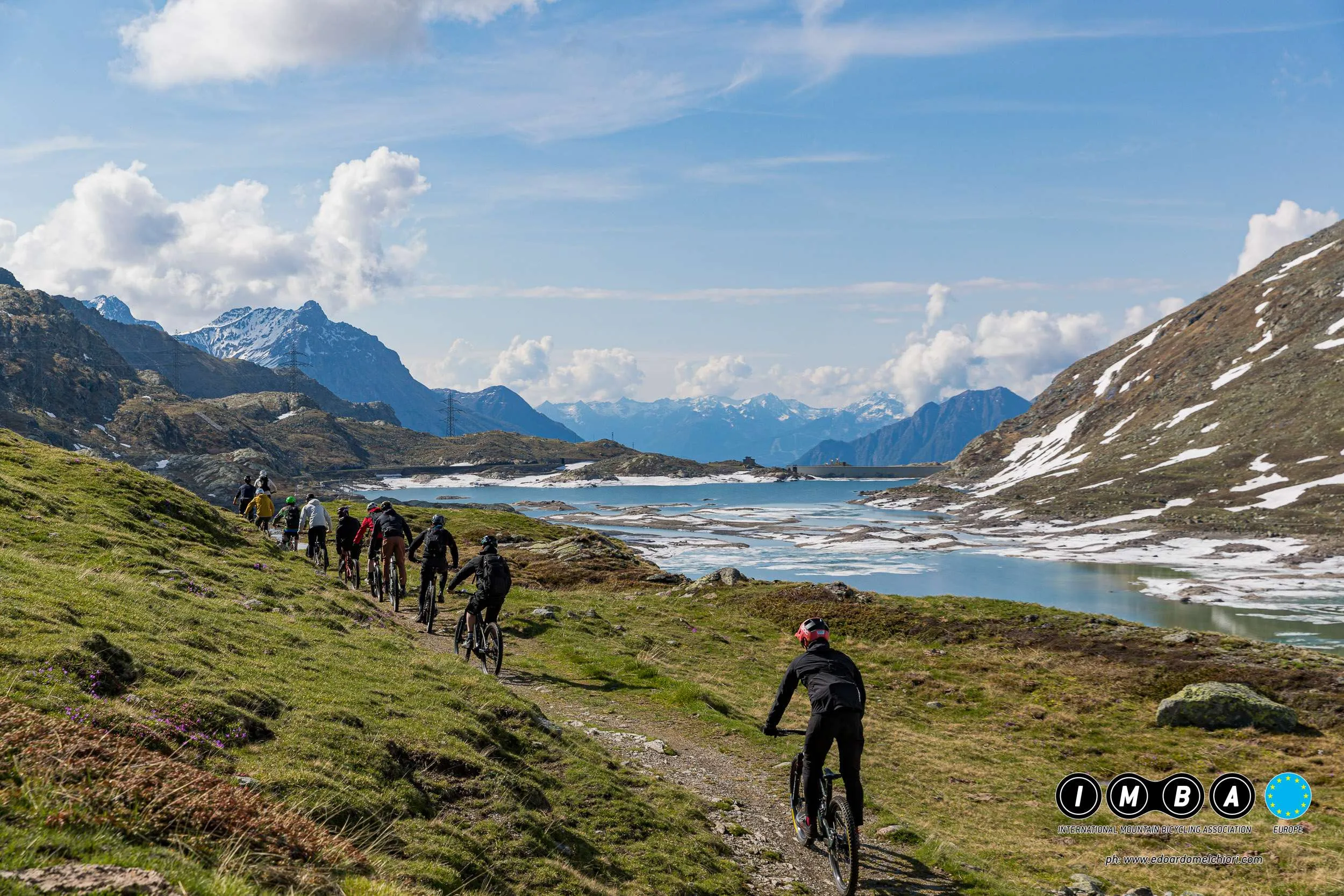
Credit: Edoardo Melchiori (via IMBA Europe)
Why Standards Matter – From Quality to Longevity
- Consistency of experience: Riders expect predictable, safe, and engaging trails. Standards help maintain that across seasons.
- Reduced maintenance costs: Trails built to good standards require less reactive repair and reduce long-term expenditure.
- Ecosystem protection: By designing for hydrology, vegetation, and soil, standards minimize biodiversity loss and ecological damage.
- Sustainable growth: As mountain biking expands, maintaining high standards helps avoid backlash against overuse or poorly built trails.
- Funding and legitimacy: Many grants, public agencies, or tourism bodies now expect adherence to recognised standards before approving projects.
The Management Challenge: Data, Resources, and Coordination
The beauty of a well-built trail is that, when it works, it almost disappears into the landscape – it feels natural, effortless, inevitable. But behind every smooth berm and firm tread lies a constant cycle of observation, repair, and reporting. As mountain biking grows, that cycle has become increasingly complex to manage.
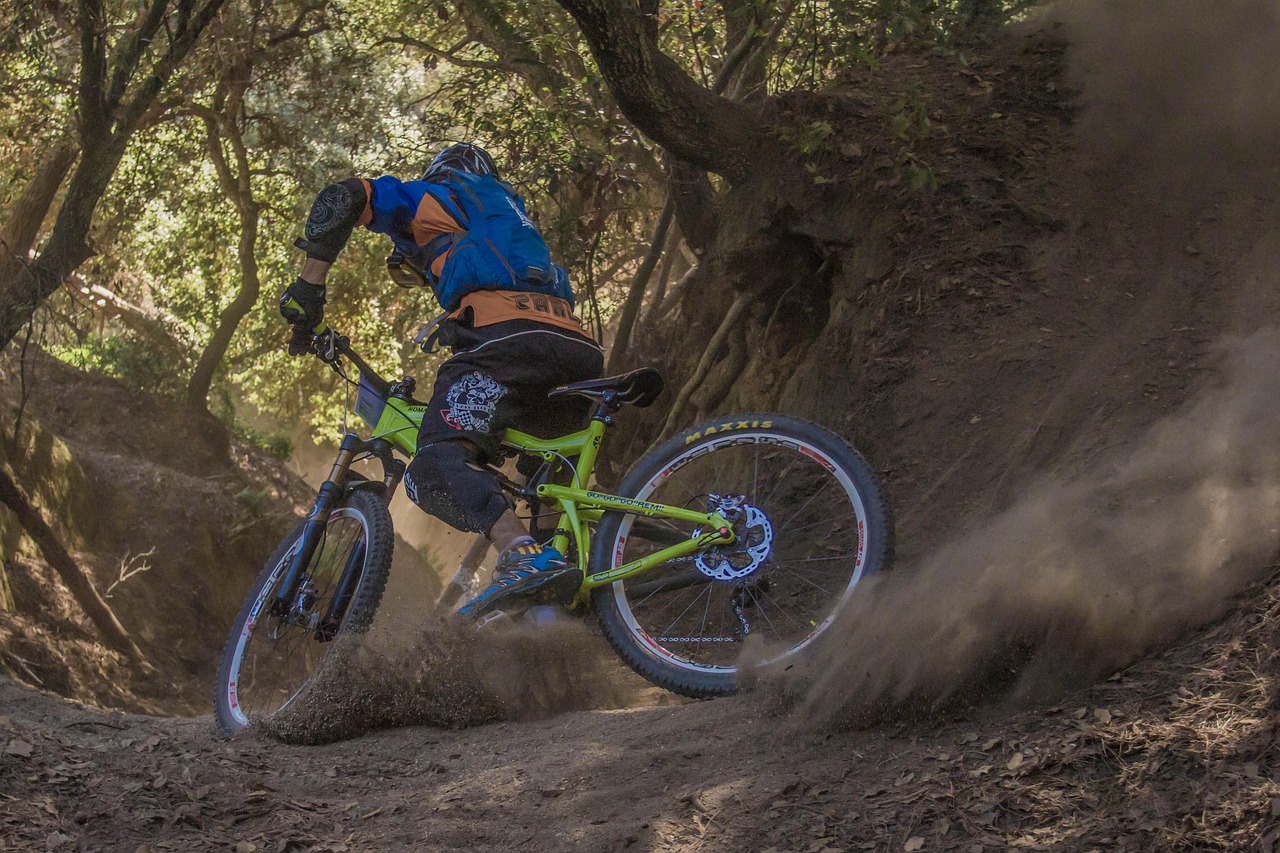
Fragmented Responsibility
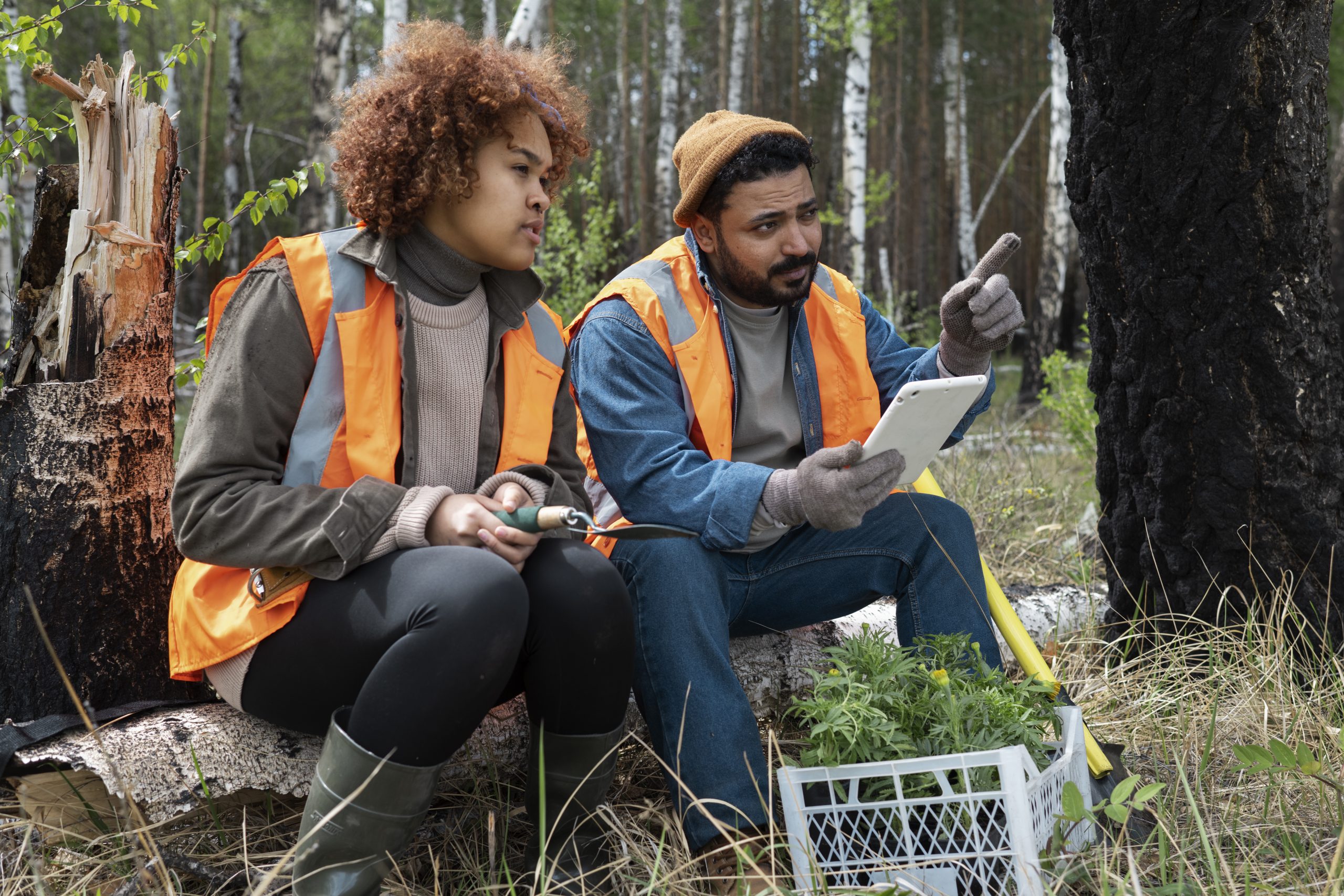
Most trail networks span a mosaic of landownership – national parks, local authorities, private estates, forestry lands, and community-managed parcels. Each has its own rules, priorities, and funding streams. Coordinating trail work across those boundaries can be a logistical challenge, especially when responsibilities for maintenance, safety, and environmental reporting are not clearly aligned.
This fragmentation often results in:
- Duplicate or inconsistent records of maintenance activity
- Unclear lines of accountability between organisations
- Delays in repairs due to slow communication or limited oversight
- Difficulty accessing or sharing GIS data between stakeholders
Without a unified system, even basic tasks – such as verifying which parts of a trail cross private or state land – can consume valuable time and resources.
Resource Constraints
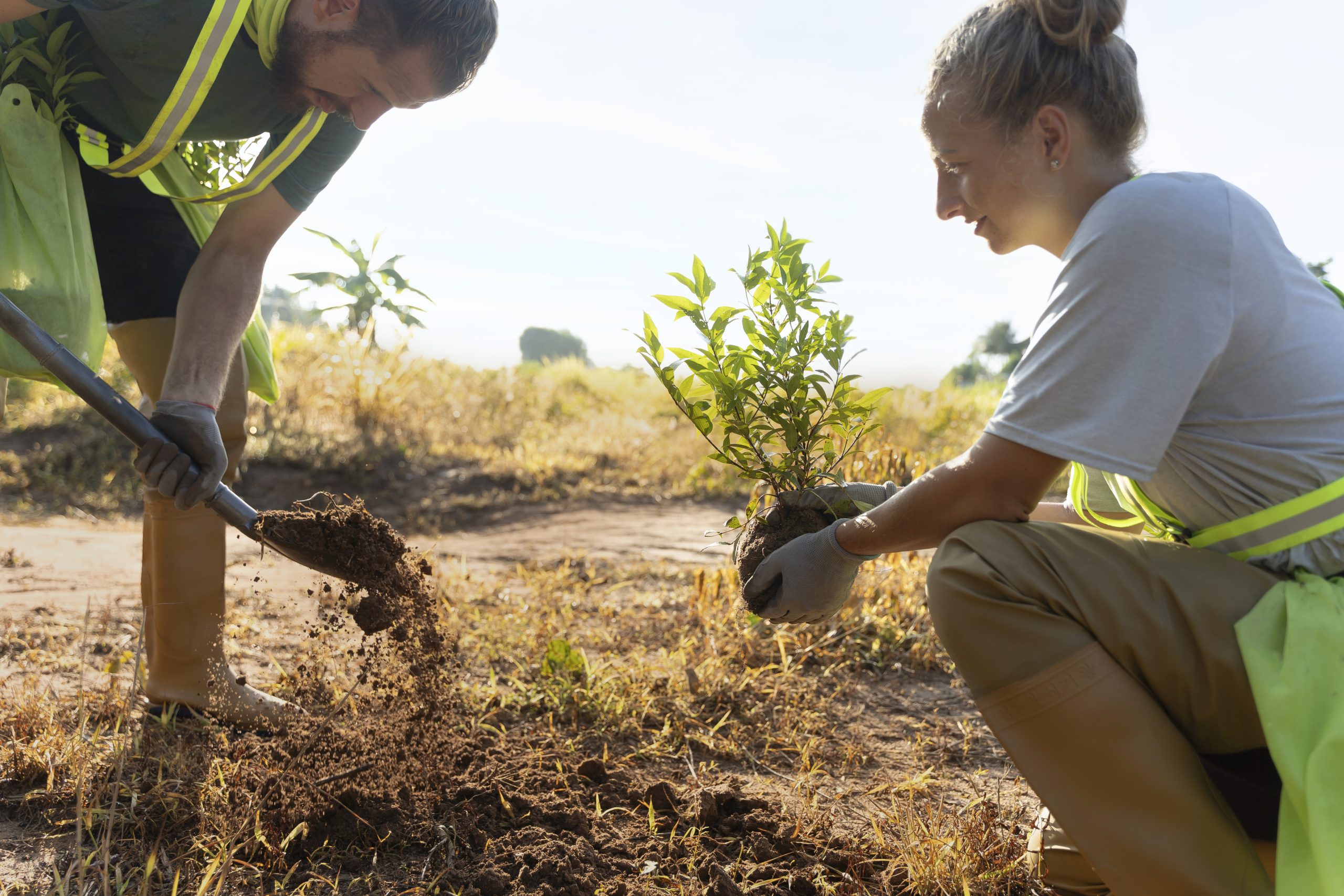
Trail management is often a labour of love, carried out by small teams of rangers, contractors, or volunteers who balance limited funding with growing demands.
Even in well-funded destinations, the challenge is not simply budget – it’s efficiency.
Questions like:
- Which sections are deteriorating fastest?
- Which need urgent work before the next event?
- Where should limited staff or contractor hours be focused?
…often go unanswered because the data isn’t readily available or is spread across spreadsheets, notebooks, and email threads.
The result is a reactive maintenance cycle – trails are fixed when they fail, not maintained to prevent failure. Over time, that reactive approach becomes more costly and less sustainable.
Data Gaps and the Need for Insight
Good management depends on good information – yet, trail data is often fragmentary or outdated.
- Many trail networks lack reliable, geo-referenced inventories of their routes and infrastructure.
- Reports from field work might be handwritten or uploaded to separate systems without consistent formats.
- Environmental observations, such as erosion points or biodiversity impacts, may never be integrated into a central dataset.
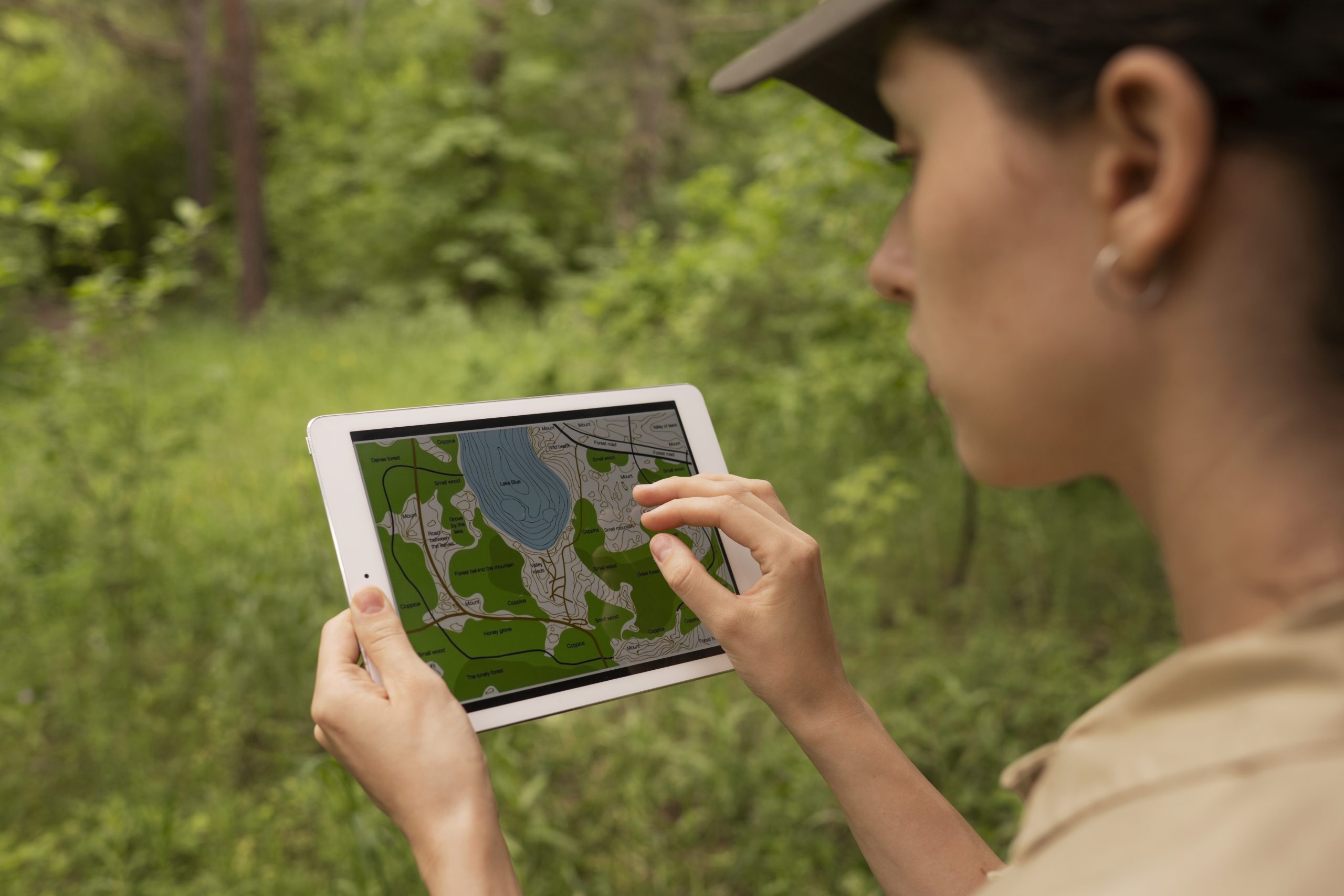
Without consistent GIS reporting and shared visibility, it’s difficult to spot trends, quantify workload, or demonstrate compliance with environmental standards. This lack of data also weakens applications for funding or certification, as there’s little objective evidence to show the outcomes of maintenance efforts.
The Coordination Bottleneck
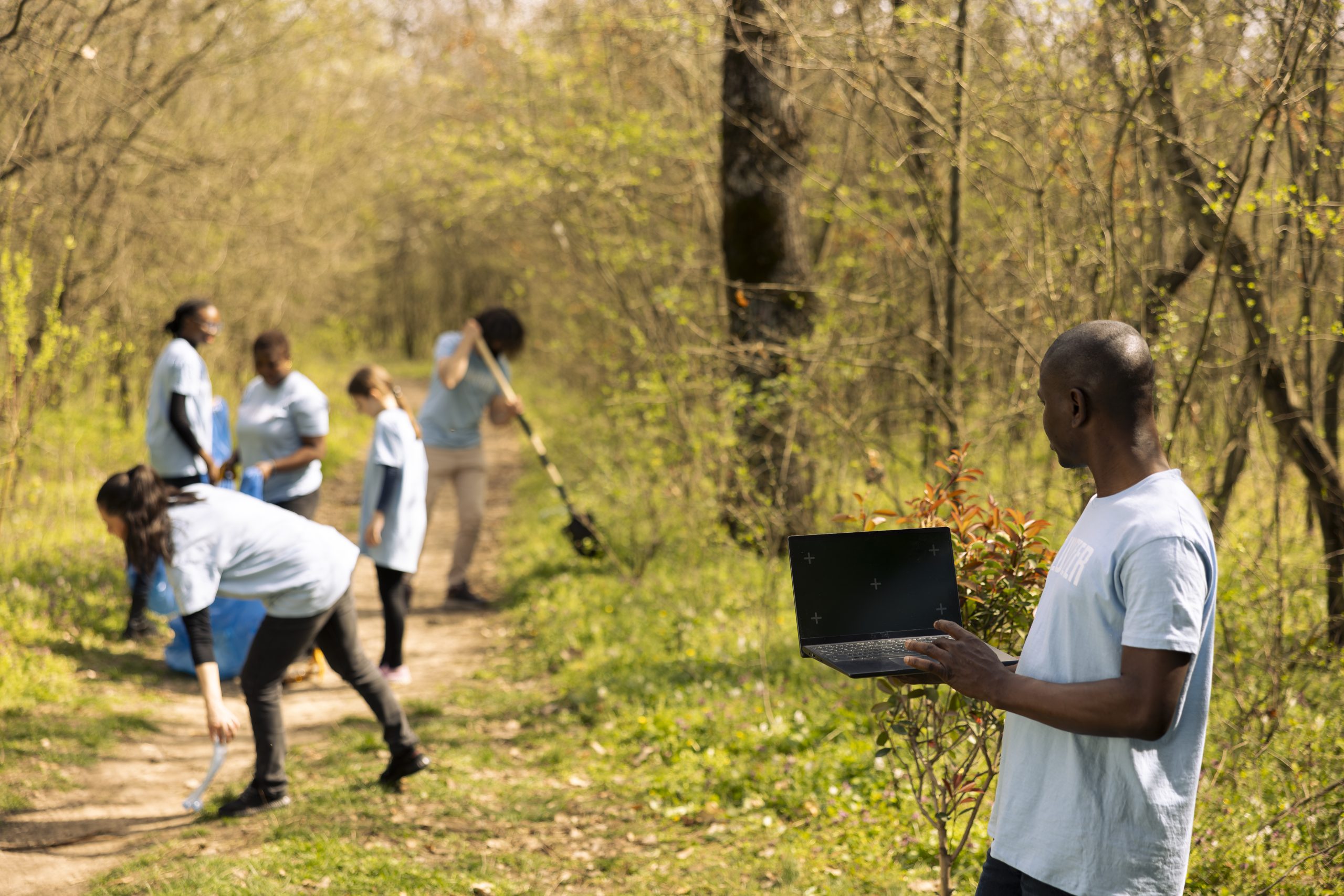
Even when information exists, it’s rarely unified. Managers must toggle between maps, email updates, volunteer apps, and funding reports – none of which speak the same digital language.
This disconnect creates a bottleneck in both communication and accountability.
The more trail networks grow, the harder it becomes to maintain oversight across teams, jurisdictions, and data streams.
The mountain biking sector is evolving fast. What’s needed is not more paperwork or additional apps, but a centralised, easy-to-use platform that brings field data, GIS mapping, maintenance logs, and environmental reporting together – a tool that empowers managers to move from reaction to strategy.
That’s where WayWyser steps in.
Enter WayWyser: Empowering Sustainable Trail Management
WayWyser was created in direct response to the challenges faced by those who care for the outdoors – the trail builders, park rangers, community volunteers, and land managers who keep recreation spaces safe, accessible, and sustainable.
It’s not just another app. It’s a purpose-built platform designed to simplify trail management, strengthen collaboration, and enable smarter, more sustainable decisions on the ground.
Turning Data into Action
At the heart of WayWyser is a simple idea: the better the information, the better the decisions.
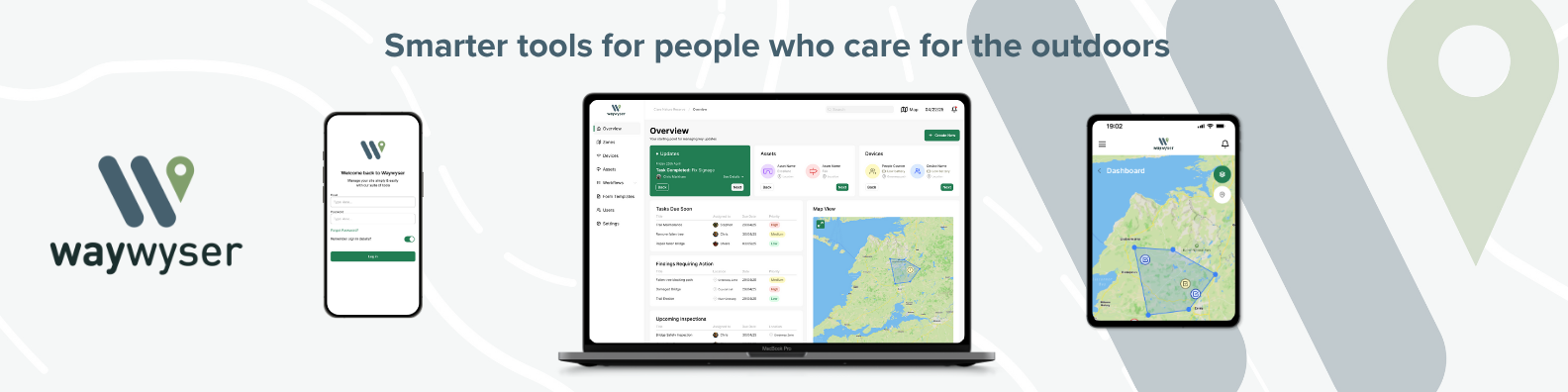
The platform combines field data collection, GIS reporting, and maintenance tracking in one digital ecosystem, giving teams a clear, real-time picture of trail conditions and workloads.
Whether it’s a park ranger logging erosion points in the field, a volunteer recording trail usage, or a manager reviewing the maintenance schedule, everyone works from the same source of truth. This allows for:
- Centralised trail inventories with clear boundaries across public, private, and state lands.
- Integrated GIS layers showing environmental features, land designations, and access routes.
- Structured condition assessments that turn on-site observations into actionable insights.
- Automated reporting tools that make compliance and funding submissions faster and more transparent.
By replacing scattered spreadsheets and handwritten notes with digital records, WayWyser closes the information gap that has long hindered efficient trail management.
From Reactive to Predictive Maintenance
WayWyser empowers managers to move from reactive to proactive care.
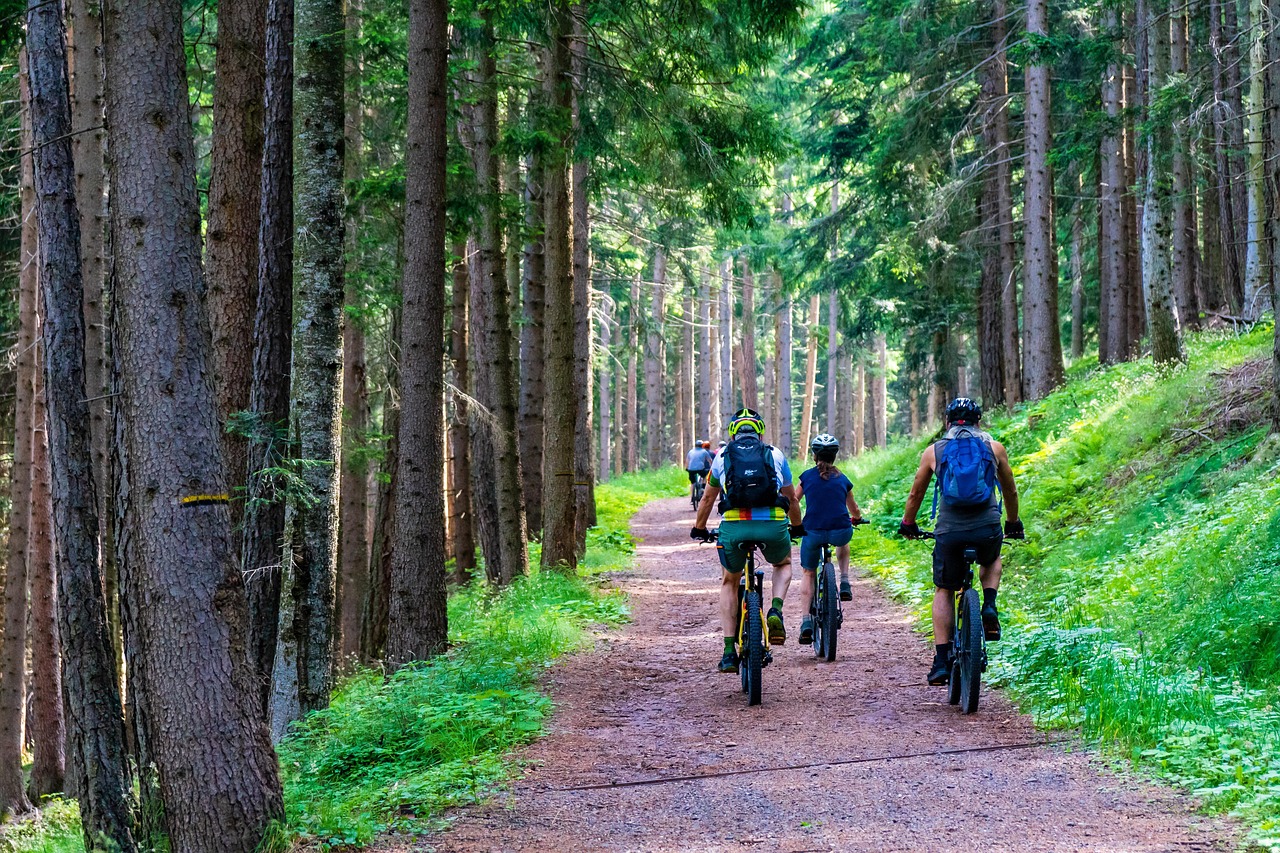
Using the system’s maintenance scheduling and reporting features, teams can plan trail maintenance cycles before problems escalate – addressing erosion, drainage, or surface damage early, when repairs are easier and cheaper.
GIS-based mapping tools allow teams to visualise where issues are recurring, identify hotspots of trail wear, and allocate resources strategically. Over time, this data builds an invaluable archive – a living history of the trail network that supports evidence-based planning and adaptive management.
Supporting Collaboration and Stewardship
Trails thrive when managed collaboratively. WayWyser enables collaborative land management, linking local authorities, private landowners, and volunteer groups under one coordinated framework. Shared access to data, maps, and reports helps reduce confusion, clarify responsibilities, and ensure everyone is aligned in purpose.
This transparency fosters a culture of stewardship – where every user, from planner to volunteer, can see how their contribution supports the wider goal of sustainable destination management.
Aligning with Global Standards
WayWyser is built to complement and operationalise international standards like those established by IMBA, DIRTT, and national environmental agencies.
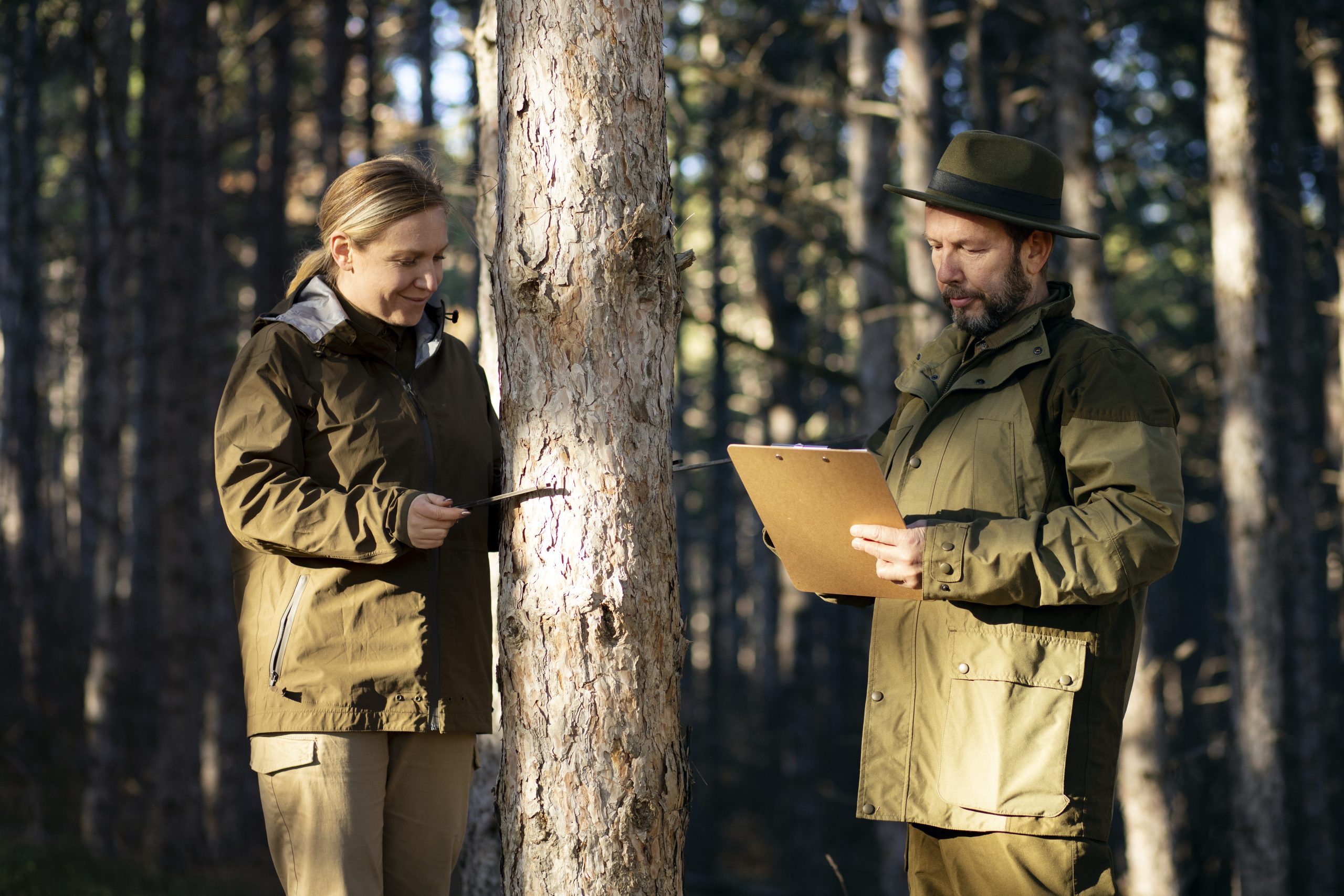
The platform’s structured reporting and audit features make it easier to demonstrate alignment with recognised principles of:
- Sustainable trail design and maintenance
- Environmental management and biodiversity protection
- Protected area monitoring and compliance
This makes WayWyser not only a practical management tool, but a bridge between fieldwork and policy – helping organisations meet the rising expectations of funders, regulators, and visitors who care deeply about responsible recreation.
Technology in Service of the Landscape
Ultimately, WayWyser’s mission is simple: to use digital innovation in service of the natural world.
By combining data, design, and stewardship, the platform enables those who care for trails to do so more effectively – protecting the very landscapes that make mountain biking possible.
As the sport continues to grow, technology will play a vital role in ensuring that progress and preservation move forward together. WayWyser helps make that possible – turning information into action, and action into sustainable outcomes.
The Bigger Picture: Growing the Sport Sustainably
Mountain biking’s rise isn’t just a story about recreation – it’s a story about how we interact with landscapes, communities, and economies. Around the world, mountain biking is transforming rural destinations, creating jobs, and drawing new audiences to the outdoors. But the sport’s long-term success will depend on how well we care for the trails (and the ecosystems) that make it possible.
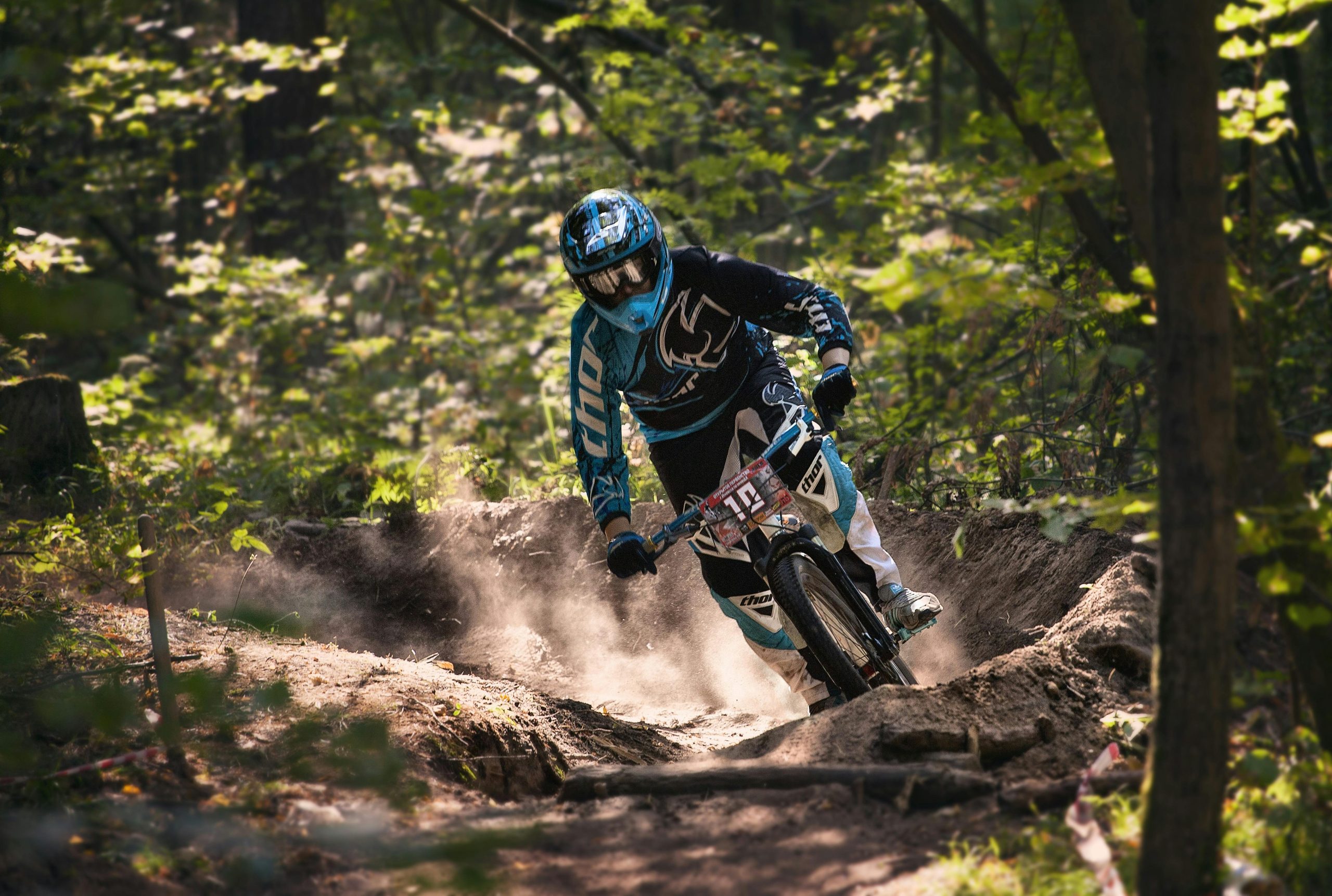
Beyond Riding – A Force for Sustainable Development
Sustainable mountain biking offers a unique opportunity to align environmental management with community wellbeing. Well-designed trail networks can:
- Support local economies by attracting year-round tourism.
- Encourage healthy, active lifestyles and social connection.
- Promote biodiversity awareness through direct interaction with nature.
- Strengthen local stewardship by involving communities in trail care and decision-making.
However, when trails are neglected, overused, or poorly managed, the opposite can happen – erosion, habitat loss, conflict over land access, and reputational damage to destinations that depend on visitors.
That’s why a commitment to sustainable destination management is essential. It’s not just about keeping trails open; it’s about ensuring they remain a positive force for people and planet alike.
Standards, Stewardship, and the Digital Shift
As standards like IMBA’s Guidelines for a Quality Trail Experience and the European DIRTT Project gain traction, a shared understanding of what “good” looks like is emerging. These frameworks set out clear expectations for trail maintenance, protected area monitoring, and biodiversity management – but translating those standards into daily operations still requires tools that make them practical and measurable.
This is where digital innovation is reshaping how the outdoor sector works.
Modern platforms like WayWyser bring together field work, GIS reporting, and trail management software into a unified system – turning what used to be reactive and fragmented into something proactive, collaborative, and transparent.
By making data accessible and actionable, WayWyser helps trail managers align with global sustainability goals, demonstrate accountability to funders and stakeholders, and protect the natural capital their destinations rely on.

A Culture of Shared Responsibility
The future of mountain biking depends on a culture of shared responsibility – between riders, builders, landowners, and conservationists. It’s about recognising that trails are not just routes through landscapes, but part of living ecosystems that require care and respect.
When digital tools empower collaboration and information sharing, they don’t replace the human effort behind trail care – they amplify it.
With the right technology, local stewardship becomes global best practice, and every inspection, repair, or report contributes to a wider story of sustainability.
Building for the Next Generation
As demand for outdoor recreation continues to rise, the next generation of trail builders and managers will inherit both incredible opportunity and immense responsibility. Their success will depend on how well we equip them – not just with tools and training, but with systems that promote data integrity, transparency, and collaboration.
By combining the latest in trail management technology with deep respect for nature, we can ensure that mountain biking remains both an exhilarating sport and a model of environmental stewardship.
WayWyser is proud to play its part in that journey – helping destinations around the world grow the sport sustainably, one trail at a time.